
50 founders. 113 mistakes.Most unforeseen.
What UK founders told us about the mistakes they fear, the ones they make, and the help they wish they'd found sooner.
Based on a survey of 50 aspiring and 50 trading founders across the UK.
All founders start with worries. Their mistakes aren't always on that list.
Every first-time founder has concerns when they start their business. Some keep you up at night. Others never materialise once you start trading.
FOUNDRS set out to understand how the worries of aspiring founders match what actually goes wrong once you start trading. We surveyed 100 people across the UK through an online panel. Half were preparing to start a business within 12 months. Half had been trading for up to three years.
The results are mixed. In aggregate, the worries of aspiring founders broadly correspond to the mistakes trading founders made.
However, there was a difference in what individual trading founders said they were worried about before they started and what they actually got wrong. The majority of the mistakes that harmed them most were ones they hadn't worried about beforehand.
What trading founders most frequently wish they'd obtained sooner is external help and support. Several named an accountant or an adviser who could show them where they might go wrong and what to do as a solution. They needed a guide. It's the exact problem FOUNDRS was built to solve.
Note: our research is a sample of 100 founders, split evenly between the two groups. It is directional, not statistically representative. Treat every finding as a signal rather than a definitive conclusion.
Aspiring founders most fear doing it all alone.
Ask aspiring founders what they're most worried about getting wrong, and one answer leads. Almost half (48%) fear trying to do everything themselves. Mismanaging money comes next, at 36%.
Below that, the worries bunch together. Finding customers, falling behind on records, tax or filing deadlines and setting up the right foundations each sit at 30%.
Share of aspiring founders
FOUNDRS survey · aspiring founders · n = 50 · directional
The more useful story sits underneath. Worries split by the business structure people plan to use.
Coping alone and getting the basics right
- 58% (15 of 26) fear doing everything alone
- 35% (9 of 26) worry about set-up
- 31% (8 of 26) worry about records, tax returns and filing deadlines
Looking further ahead, to strategy
- 42% (5 of 12) fear building before testing demand
- 42% (5 of 12) fear mismanaging money
- 33% (4 of 12) worry about finding customers
- 17% (2 of 12) worry about records, tax returns and filing deadlines
Regardless of structure, money is the most frequent blocker for aspiring founders. Almost half of respondents cited this as a blocker to getting started. But this is about getting money, not managing it. Only 9 of the 24 who named money as a barrier also worried about mismanaging it.
aspiring founders who named money as a barrier also worried about mismanaging it. The worry is getting money, not managing it.
The fears that come true. The two that didn't.
Now the other side of the story. We asked 50 trading founders which mistakes they had actually made.
Taken together, aspiring founders' worries line up fairly well with what goes wrong. Doing everything alone tops both lists. 48% of aspiring founders worry about it, and 42% of trading founders made that mistake. Mismanaging money follows the same pattern, as 36% of aspiring founders worry about it and 32% of trading founders made the mistake.
There are a couple of exceptions to this trend.
The aspiring founders we surveyed worried more about finding customers than the data suggests they needed to. 30% of aspiring founders worry about it, but only 20% of trading founders said they got it wrong. It might be that people's concern about the challenge forces them to address it directly from the outset.
The aspiring founders we surveyed also underestimate falling behind on records, tax or filing deadlines. 30% of aspiring founders worry about it, yet 40% of trading founders fell behind on it. No other mistake shows a bigger gap in that direction.
Share of each group of 50 choosing each mistake
FOUNDRS survey · 50 aspiring and 50 trading founders · directional
These are two different groups of people. The comparison doesn't tell us whether any one founder misjudged their own risks. It sets what one group fears beside what another group experienced. Section 03 follows the same founders from worry to mistake.
Trading founders struggled to see their mistakes coming.
44 trading founders reported 113 mistakes between them. Only 38% of those mistakes (43 of 113) were ones the same founder had worried about before starting.
38 of the 44 trading founders made at least one mistake they hadn't worried about before starting.
The mistakes that hurt most were almost as likely to be unforeseen. Founders named 60 mistakes among their most harmful. Just 43% of these (26 of 60) were ones they had worried about before starting their businesses.
of the 113 mistakes trading founders made were ones they'd worried about beforehand (43 of 113)
trading founders made at least one mistake they hadn't worried about before starting
of the 60 mistakes named among the most harmful were ones founders had seen coming (26 of 60)
One caveat matters here. Traders recalled their earlier worries after the event. Hindsight tends to make the past look more predictable than it was. So the true match could be even lower.
The key takeaway is that the founders we surveyed struggled to predict the mistakes that they would end up making.
The mistake aspiring founders underestimate most.
Falling behind on records, tax returns or filing deadlines is a telling example, for aspiring and trading founders alike.
We've already shown that aspiring founders underestimate it. 30% worry about falling behind, yet 40% of trading founders did.
The gap is sharpest for limited companies. Only 17% of aspiring founders planning a limited company (2 of 12) worry about it. Among trading limited companies, 46% (11 of 24) fell behind.
of aspiring founders planning a limited company worry about falling behind (2 of 12)
of trading limited companies fell behind (11 of 24)
That's surprising. A limited company carries more filing duties than being a sole trader, from filing annual accounts to confirmation statements. The administrative duties have increased recently too, as our recent report on Companies House's identity verification requirements for company directors and people with significant control showed.
Trading founders were caught out too, as 45% of those who fell behind (9 of 20) hadn't worried about it before starting their businesses.
It's also one of the most damaging mistakes. 22% of trading founders (11 of 50) named it among their most harmful mistakes. Only mismanaging money was cited more often.
Share of trading founders naming each among their most harmful
FOUNDRS survey · trading founders · n = 50 · directional
Again, many didn't see it coming. Of the 11 founders who named it among their most harmful mistakes, 55% (6 of 11) hadn't worried about it beforehand.
This matches our earlier research with Werksy. All four solo founders we interviewed from the Werksy community had been caught out by the administrative side of running a business.
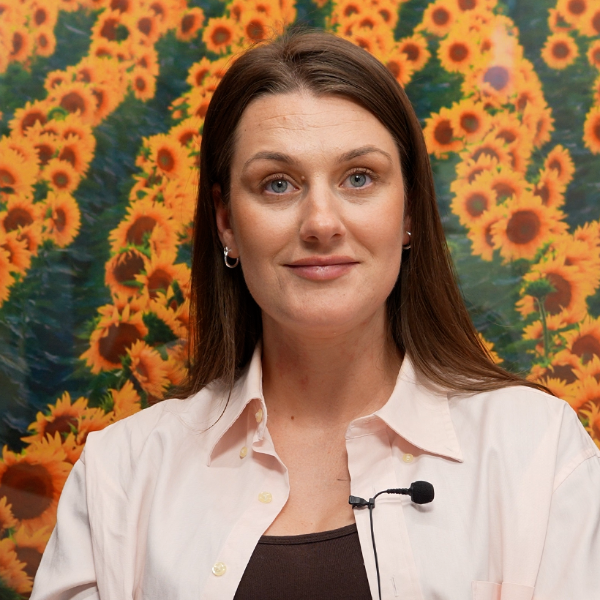
“There's so much change in the HMRC regulations at the moment and so many emails coming through. I don't know what I'm supposed to do.”
As part of this research we also interviewed Guy Stradling, Co-Founder of an incubator called Creatd Studio, to obtain qualitative feedback. Guy confirmed the challenge staying on top of records, tax returns or filing deadlines poses founders:

“If you're swamped in unnecessary admin, you take your eye off things. Then you miss opportunities.”
Get support. Cover your blind spots.
We asked trading founders one open question: If you started again, what would you do differently?
We grouped their answers into themes, two of which lead. 24% (12 of 50) would get help sooner. 22% (11 of 50) would plan, research or slow down. Only 12% (6 of 50) would manage money better, and 6% (3 of 50) would look after themselves.
Open answers coded into themes · share of trading founders
FOUNDRS survey · trading founders · n = 50 · directional
The top two answers share a thread. They're about finding out what you don't know before you act, either via research or by obtaining hands-on support.
These reflections are especially common among founders most harmed by falling behind on records, tax returns or filing deadlines. Of the 11 founders most harmed by this mistake, 8 would now get help sooner or take more time to plan.
Put in place an accountant from the start.”
Get advice and help dealing with tax returns.”
I would get the right support and not be worried about asking for help.”
The reflections of survey respondents are similar to a lesson Guy shared about one of the first businesses he co-founded:
“Looking back, if we'd had impartial advice when we set the business up, things could have gone differently. That's a really key one for founders.”
What FOUNDRS was built to solve.
This report points to three findings.
- 01
Individual founders struggle to spot and prepare for the mistakes they go on to make.
- 02
Perhaps nowhere is this more pronounced for aspiring and trading founders than in falling behind on records, tax returns or filing deadlines.
- 03
Looking back, founders want support, and time to slow down and prepare for what they don't know.
FOUNDRS was built to be the AI-powered co-founder people need, making them aware of the challenges nobody warns you about before you start. It's where business begins for the next generation of entrepreneurs, guiding people from incorporation to managing an operational limited company with ease, all via conversational AI.
It directly helps with records and filing deadlines in two ways. A compliance checklist shows what's due and when. A company dashboard also keeps key information organised securely in one easy-to-view panel.
Where support beyond AI is required, FOUNDRS connects people to the support they need in trusted partners across business banking, accounting, legal support, insurance and much more.
Together, that means AI solving for everyday administrative challenges. When a question gets more specific or complex, FOUNDRS connects you with an expert. It's the mix of support and preparation founders said they wished they'd had from the start.
Our guide below sets out which partners we advise all founders to onboard.
The partners and support to find.
Trading founders told us they'd get help sooner. Here's who to look for and some of the partners FOUNDRS can connect people to (often at discounted rates).
Business bank account
A separate account makes it easier to manage finances and keep business and personal money apart. Pay.UK research in 2024 found just under 30% of SME decision makers use a personal current account for their business finances, showing how often this basic foundation is missed. FOUNDRS connects users with leading providers, such as Revolut and NatWest, to help them manage business finances correctly from the outset.
Accountant or bookkeeper
40% of trading founders fell behind on records, tax returns or filing deadlines. While FOUNDRS can store key company information and keep users aware of important filing deadlines, we recommend working with an accountant to prepare tax returns and organise a business' finances. FOUNDRS connects users with a reliable accountant and leading accountancy software, such as Xero, FreeAgent and others.
Legal support
Set-up mistakes, including contracts, caught out 28% of trading founders. Of those, half of them named it among their most harmful mistakes. From obtaining a shareholders' agreement to establishing your first employment contract, you should seek advice from a lawyer to make sure it is done correctly. FOUNDRS connects users with affordable and reliable legal support via Sprintlaw.
Insurance
This is as important as legal support. Contracts set the terms. Insurance protects you when something goes wrong anyway. FOUNDRS connects users with trusted insurance brokers in Price Forbes and Premierline.
Freelance support
Doing everything yourself was the most common mistake, made by 42% of trading founders and the top concern of aspiring founders. Freelancers let founders hand off specific jobs to experts without the commitment of hiring. FOUNDRS connects users to freelance marketplaces like Fiverr so they can find support across a range of disciplines to bridge their own skill gaps.
Disclaimer: the availability of partner services on FOUNDRS may change before or after publication.
Methodology & notes
- Sample
- FOUNDRS ran this survey through the Pollfish online panel in the UK in October 2026. N = 100, split 50/50 by a single screener question. 50 respondents were actively preparing to start a business within 12 months. 50 owned or co-owned a business trading for up to three years.
- Figures
- All figures are unweighted and directional. The sample is not statistically representative of UK founders.
- Significance
- Subgroup gaps aren't statistically significant. Read them as indicative.
- Most harmful mistake (Q5)
- The question asked for one answer, but respondents could choose more than one. 11 traders did. We count every pick, as a share of respondents. That's why we describe mistakes founders named “among” their most harmful.
- Coding
- FOUNDRS coded the open answers to Q2 and Q7 into themes. 22% of Q7 answers were too vague to code.
- Limitations
- Q3 relies on recall.
- Disclosure
- FOUNDRS designed and ran the survey and published this report independently.